
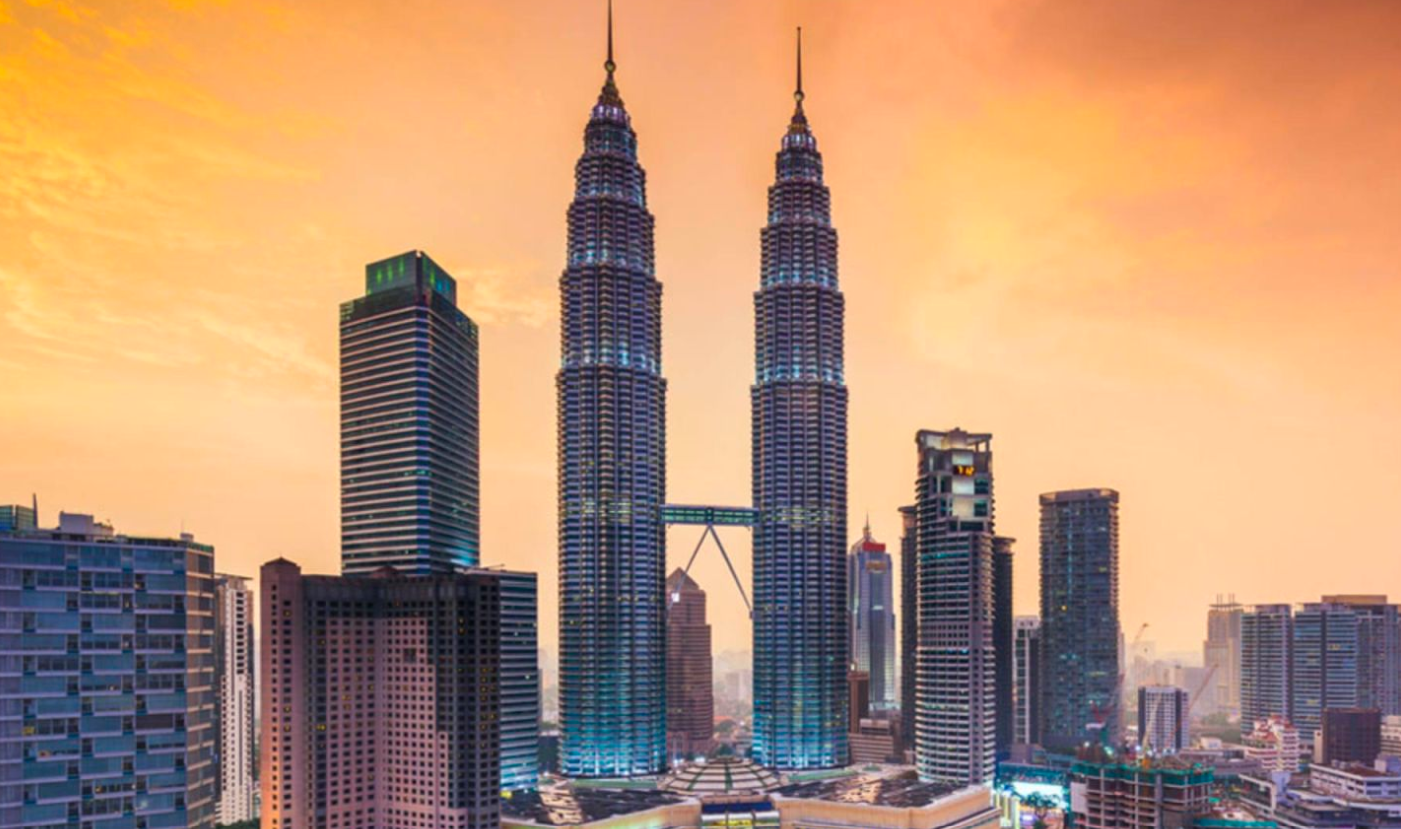
Malaysia presents an attractive destination for foreign investors due to its strategic location, stable financial system, and government-backed economic initiatives. To navigate the Malaysian investment landscape effectively, understanding the role of Government-Linked Investment Companies (GLICs) and Government-Linked Companies (GLCs) is essential. These entities play a significant role in shaping economic policies and business opportunities within the country.
Government-Linked Investment Companies (GLICs)
GLICs are state-owned investment arms responsible for managing public funds, pension funds, and sovereign wealth. These entities play a pivotal role in directing capital into strategic sectors to foster economic growth. The major GLICs in Malaysia include:
- Khazanah Nasional Berhad – The sovereign wealth fund of Malaysia, focusing on strategic investments across various sectors, including technology, healthcare, and infrastructure.
- Employees Provident Fund (EPF) – A major pension fund managing retirement savings and investing in both domestic and international markets.
- Permodalan Nasional Berhad (PNB) – Focuses on promoting wealth distribution through unit trust investments and holdings in key Malaysian firms.
- Kumpulan Wang Persaraan (KWAP) – The public sector retirement fund with investments in fixed income, equities, and alternative assets.
- Lembaga Tabung Haji – A fund managing savings for Malaysian Muslims performing the Hajj pilgrimage, with investments in real estate, finance, and other sectors.
Government-Linked Companies (GLCs)
GLCs are corporations in which the government holds a controlling stake, either directly or through GLICs. These companies operate in key industries such as banking, telecommunications, utilities, and infrastructure. Prominent GLCs listed on the FTSE Bursa Malaysia KLCI (Kuala Lumpur Composite Index) include:
- Malayan Banking Berhad (Maybank) – The largest bank in Malaysia and a key player in Southeast Asia’s financial sector.
- CIMB Group Holdings Berhad – A major banking group with regional influence.
- Tenaga Nasional Berhad (TNB) – The sole electricity provider in Malaysia, ensuring energy security.
- Petronas – The national oil and gas company, although not publicly listed, remains a key economic driver.
- Telekom Malaysia (TM) & Axiata Group Berhad – Leading telecommunications providers shaping Malaysia’s digital transformation.
Boosting Foreign Investor Confidence in Malaysia
To attract and retain foreign investment, Malaysia continues to implement pro-business policies and economic reforms. The following factors contribute to a conducive investment environment:
- Political and Economic Stability – Despite occasional political shifts, Malaysia maintains a resilient economy backed by prudent fiscal policies and a diversified industrial base.
- Robust Financial Market – Bursa Malaysia provides a well-regulated and transparent marketplace, fostering confidence among investors.
- Foreign Investment Incentives – The government offers various tax incentives, grants, and regulatory support to attract foreign direct investment (FDI), particularly in high-growth sectors such as technology, green energy, and manufacturing.
- Belt and Road Initiative (BRI) Collaborations – Malaysia actively participates in China’s BRI projects, enhancing infrastructure development and connectivity.
- Digital Economy Growth – Initiatives like the Malaysia Digital Economy Blueprint (MyDIGITAL) and 5G deployment drive innovation and competitiveness.
- Environmental, Social, and Governance (ESG) Focus – The Malaysian government and companies are increasingly prioritizing ESG principles, aligning with global investor expectations.
Conclusion
Malaysia offers a compelling investment landscape for foreign investors, supported by GLICs and GLCs that provide stability and strategic growth opportunities. By understanding the role of these institutions and leveraging Malaysia’s economic strengths, investors can make informed decisions and capitalize on the country’s dynamic market potential. With continuous reforms, investor-friendly policies, and a focus on sustainable growth, Malaysia remains a promising hub for international investments in Southeast Asia.
Hello, just wanted to mention, I enjoyed this article.
It was helpful. Keep on posting!