
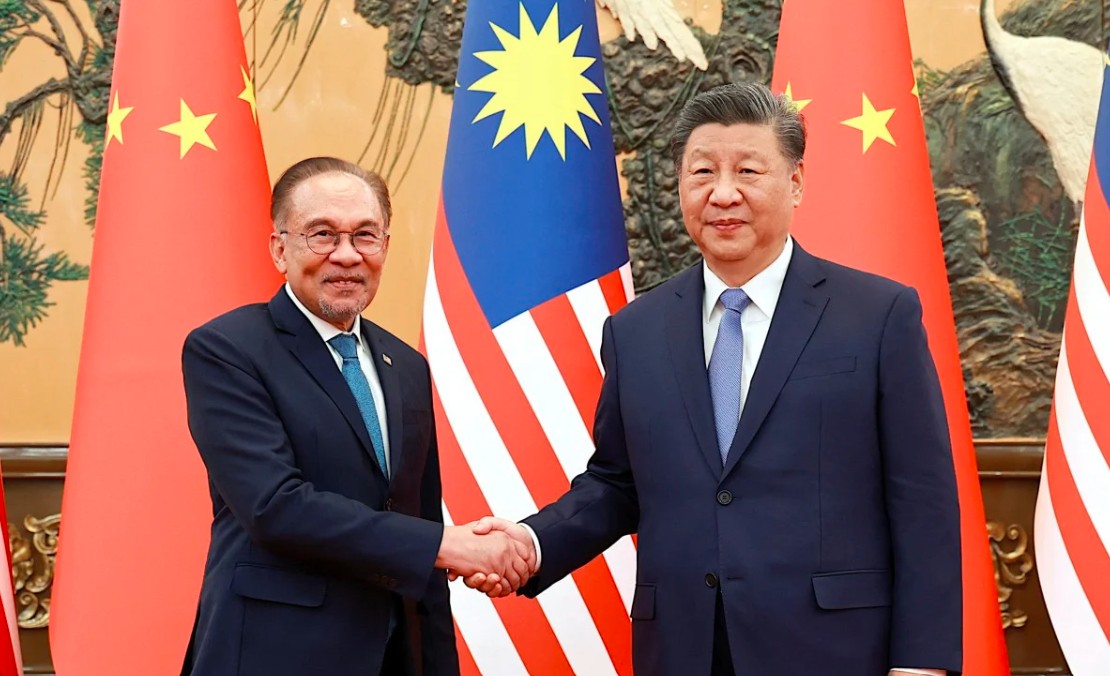
The KLCI closed at 1,433.27 on April 17, 2025, down 0.43% or 6.14 points, per The Edge. This reflects a year-to-date (YTD) drop of 18.14%. Challenges persist in the Malaysian market. A key event this week was Chinese President Xi Jinping’s visit to Malaysia, ending on April 17. It brought new trade deals that could impact the market. Let’s dive into the top movers, shakers, and policy updates affecting the KLCI.
Market Movers and Shakers
Bursa Malaysia showed mixed results. Nestlé (Malaysia) Bhd topped the movers, closing at RM 81.600, up 5.92% for the day. However, it’s down 13.38% YTD. Investors seem to trust consumer staples during uncertainty. Meanwhile, United Plantations Bhd fell 5.00% to RM 20.000. The plantation sector faces pressure, likely from fluctuating palm oil prices or weaker global demand.
Top active stocks also drew attention. NEXG Bhd had a trading volume of 48.69 million shares, gaining 0.055 RM. MYEG Services Bhd traded 32.62 million shares but stayed flat at RM 0.910. These trends point to active retail investor interest, possibly from short-term trading.
Chinese President Xi Jinping’s Visit and Policy Impacts
Xi Jinping ended a three-day visit to Malaysia on April 17, 2025. It was his first in over a decade. The visit aimed to boost ties amid global trade tensions. Xi and Prime Minister Anwar Ibrahim signed deals under the Belt and Road Initiative. These covered railway, aviation, semiconductors, and tech. Xi stressed China’s support for Malaysia against economic shocks. He also pushed for “Asian family” unity to counter U.S. tariffs. Those tariffs are now at 145% on Chinese imports.
The agreements include more Malaysian agricultural exports, like coconuts, to China. This could lift sectors like agriculture and tech. KLCI-listed firms, such as Petronas Chemicals Group Bhd, might benefit, despite a 16.66% YTD drop. Yet, global trade issues loom. The U.S.-China trade war has worsened, with China’s tariffs on U.S. goods at 125%. This could disrupt markets.
Locally, Malaysia is pushing green energy. This might help firms like YTL Power International Bhd, down 29.86% YTD. New renewable energy incentives could spark growth. Malaysia and China also agreed to resolve South China Sea disputes peacefully. This may stabilize trade routes for export sectors. Globally, the U.S. Federal Reserve may tighten interest rates in 2025 to fight inflation. This could lead to capital outflows from Malaysia, pressuring the KLCI. The Bank of Japan also cut growth forecasts due to U.S. tariffs. This signals risks for export-driven economies like Malaysia.
Currency and Economic Context
The Malaysian Ringgit (MYR) weakened slightly. The USD/MYR rate is 4.377, and SGD/MYR is 3.447, with a YTD drop of 0.03%. A weaker Ringgit may boost exports but raise import costs. This could hurt firms relying on foreign materials.
Outlook
The KLCI’s path calls for caution. Nestlé shows strength, and China trade deals offer hope. However, plantations and energy face challenges. Watch the rollout of new trade agreements. Also, track global factors like U.S. interest rates and China’s recovery pace.