
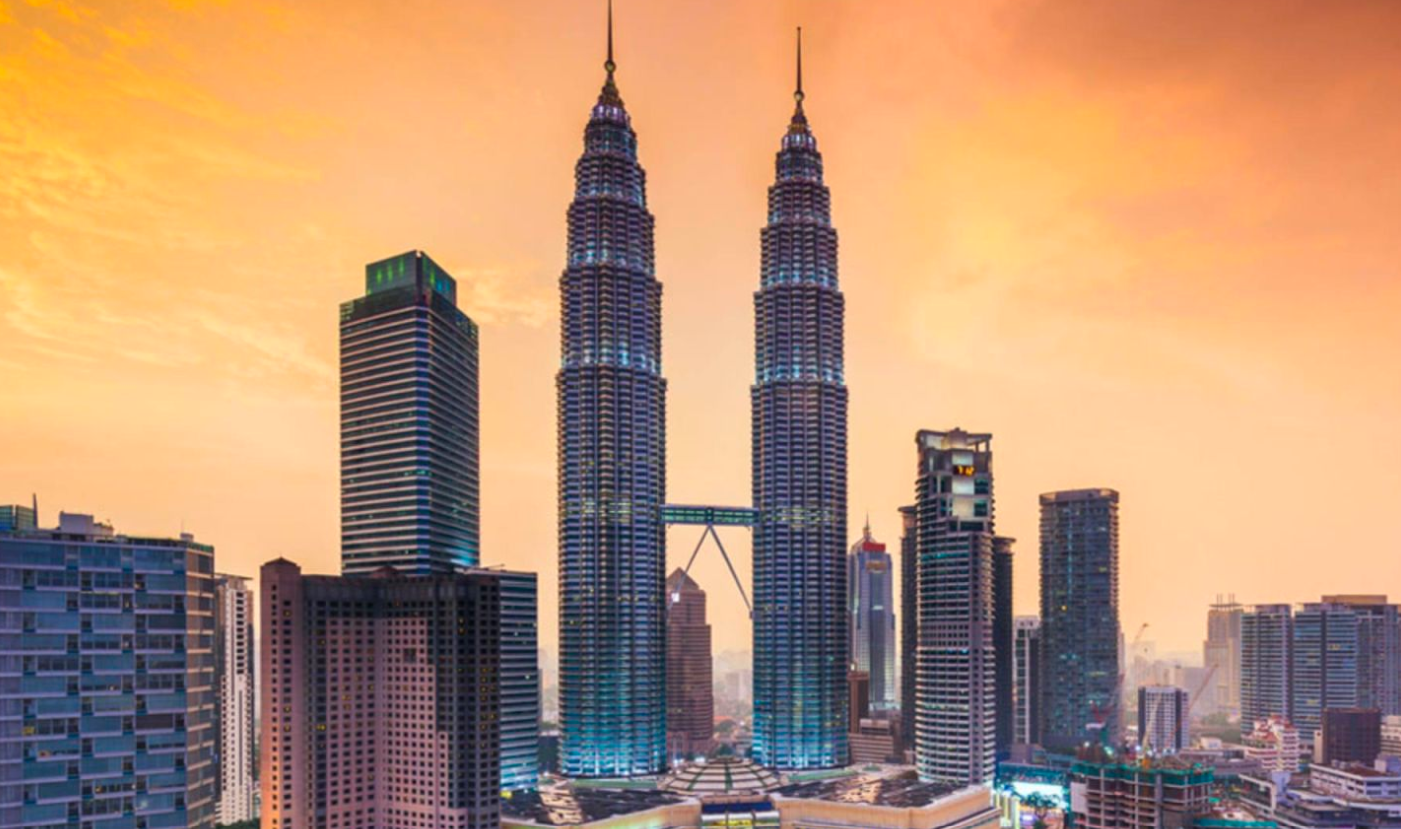
On Monday, July 7, 2025, the FTSE Bursa Malaysia KLCI (FBM KLCI) experienced a notable decline, shedding 12.65 points to close 0.82% lower at 1,537.54. This downturn reflected a cautious market sentiment, largely influenced by negative regional performance, anticipation of Bank Negara Malaysia’s (BNM) upcoming monetary policy decision, and the looming US tariff deadline. Market breadth was significantly negative, with decliners vastly outnumbering gainers.
Key Movers and Shakers on FBM KLCI:
- Decliners: Notable stocks that saw a fall include Maybank, Public Bank, Tenaga Nasional, CIMB, IHH Healthcare, NationGate, Zetrix AI, GAMUDA, and SNS Network. NationGate Holdings, in particular, was under pressure due to concerns over the impact of US AI chip export restrictions on China, affecting tech supply partners.
- Gainers: Among the few gainers were NexG and FGV, the latter benefiting from an extended closing date for its privatization offer.
Policy Changes Impacting KLCI
Malaysian Domestic Policies:
- Monetary Policy (BNM): The market is keenly awaiting Bank Negara Malaysia’s Monetary Policy Committee (MPC) meeting on July 9, 2025, with increasing expectations of a potential 25-basis point Overnight Policy Rate (OPR) cut. This move would aim to support economic growth amidst prevailing uncertainties.
- Fiscal Reforms (SST3.0 & Subsidy Rationalization): The implementation of SST3.0 in July 2025 is set to broaden the tax base, increasing sales tax on various items and expanding the service tax scope, projected to add RM10 billion to annual revenues. Additionally, the ongoing subsidy rationalization, including the expected RON95 fuel subsidy adjustments, aims to further narrow the fiscal deficit to -3.8% of GDP in 2025.
- Foreign Reserves and Currency Stability: Malaysia’s foreign reserves surged to a decade-high of $120.6 billion by June 30, 2025. This robust growth has contributed to the Ringgit’s appreciation (2.3% against the USD in 2025), providing a stable currency environment that can attract investments, particularly in sectors like semiconductors and green energy.
- Strategic Economic Initiatives: The Johor-Singapore Special Economic Zone (JS-SEZ) agreement, inked in Q1 2025, aims to enhance cross-border connectivity and attract investments through special tax incentives. Furthermore, Malaysia secured a USD250 million investment over 10 years from British chip designer Arm Holdings, bolstering its role in the upstream semiconductor supply chain.
Global Policies and External Factors:
- US Tariff Deadline (July 9, 2025): Global trade tensions remain a significant concern, especially with the impending US tariff deadline. While US tariffs on Malaysia were temporarily suspended, a 10% baseline tariff remains, and ongoing negotiations will determine future rates (potentially between 10% and 24% if no favorable agreement is reached). This uncertainty contributes to a cautious global market sentiment.
- Global Tech Trade Regulations: Restrictions imposed by the US on AI chip exports to China continue to impact technology-linked counters in the region, including those on Bursa Malaysia.
- US Federal Reserve’s Rate Policy: A likely resumption of the US Federal Reserve’s rate cut cycle in the second half of 2025 is anticipated to be a positive tailwind for global markets, potentially influencing the KLCI.
- OPEC+ Oil Production: OPEC+ members’ agreement to increase oil production by 548,000 barrels per day in August 2025 could impact global oil prices and, consequently, energy-related stocks and overall market sentiment.