
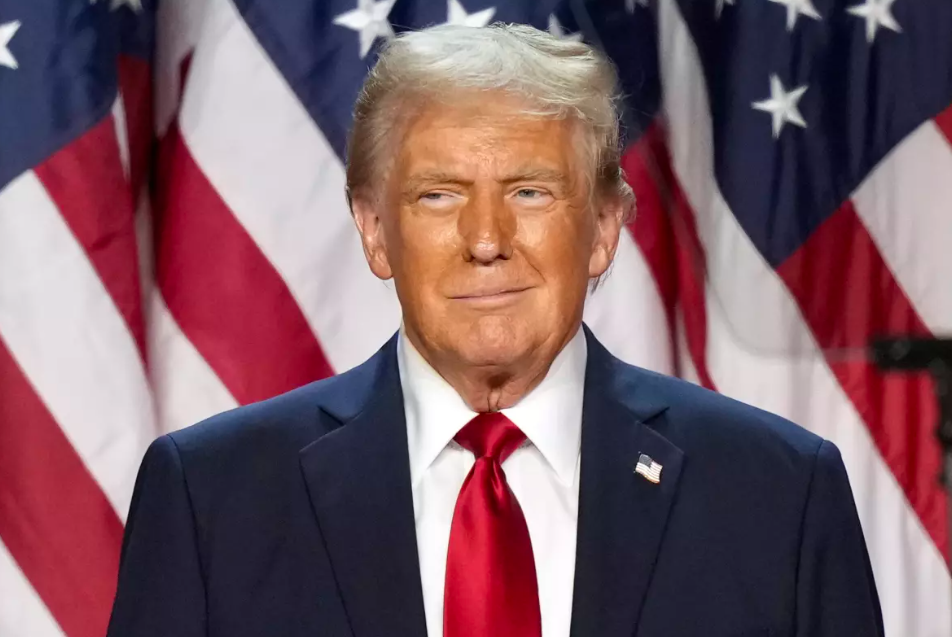
As of March 4, 2025, the reintroduction of Trump tariffs under the second term of U.S. President Donald Trump has sent ripples through global trade networks. For Malaysia, a trade-reliant Southeast Asian nation, these tariffs—particularly targeting major economies like China, Canada, and Mexico—pose both challenges and opportunities. This blog explores how Trump tariffs are affecting or could potentially affect the Malaysian economy, a critical topic for investors and businesses tracking the KLCI (Kuala Lumpur Composite Index) and Malaysia’s economic outlook.
What Are Trump Tariffs?
Trump tariffs refer to the protectionist trade policies championed by Donald Trump, aimed at reducing U.S. trade deficits, protecting American jobs, and countering perceived unfair trade practices. In his latest term, Trump has imposed a 10% tariff on Chinese goods, with threats of escalation to 60%, and a 25% tariff on imports from Canada and Mexico, effective as of early 2025. These measures build on his first-term trade war tactics, which saw nearly $80 billion in tariffs levied on global imports between 2018 and 2019.
Direct Impacts on Malaysia
Malaysia, while not directly targeted by these tariffs, is deeply integrated into global supply chains, particularly in the electrical and electronics (E&E) sector, which accounts for 40% of its exports. The U.S. is a key market for Malaysian E&E products, such as semiconductors and microchips. If Trump tariffs disrupt U.S. demand for imported goods, Malaysian exports could face indirect pressure. For instance, higher costs for U.S. consumers due to tariffs might reduce demand for electronics, affecting Malaysia’s export-driven economy.
On the flip side, Malaysia could benefit from trade diversion. During Trump’s first term, tariffs on China led multinational corporations to shift manufacturing to Southeast Asia, including Malaysia. Economists suggest this trend might accelerate with new tariffs, positioning Malaysia as a re-export hub or alternative production base. Foreign direct investment (FDI) from China and other nations could rise, boosting Malaysia’s manufacturing sector and supporting economic growth.
Ripple Effects from China
China, a major trading partner for Malaysia, faces significant tariff hikes. A slowdown in China’s economy—potentially shaving 0.1 to 0.2 percentage points off its 2025 GDP growth—could dampen demand for Malaysian E&E exports to China. This cyclical downturn might offset some gains from trade diversion, creating a mixed outlook for Malaysia’s economy. However, China’s fiscal stimulus to counter tariffs could redirect export focus to ASEAN nations like Malaysia, softening the blow.
Currency and Inflation Pressures
The U.S. dollar has strengthened since Trump’s 2024 election win, putting downward pressure on the Malaysian ringgit. A weaker ringgit increases import costs for essentials like food and technology, fueling inflation (currently at 2.8%). While this benefits exporters by boosting revenue in ringgit terms, it squeezes consumer purchasing power and raises production costs for local industries reliant on imported inputs.
Opportunities in a Shifting Trade Landscape
Malaysia’s strategic response could turn challenges into opportunities. By diversifying trade partnerships—such as finalizing a free trade agreement with South Korea in 2025—or enhancing regional cooperation via frameworks like the Johor-Singapore Special Economic Zone, Malaysia can mitigate tariff risks. Positioning itself as a value-added producer using U.S. technology, rather than a competitor, could also strengthen trade ties with the U.S.
Potential Risks: A Broader Trade War
If Trump expands tariffs to other regions, like the European Union, or imposes blanket tariffs on all imports (previously proposed at 10-20%), Malaysia’s export competitiveness could suffer. Retaliatory tariffs from affected nations might further disrupt global supply chains, increasing uncertainty for Malaysia’s trade outlook and the KLCI’s performance.
Conclusion
Trump tariffs around the world present a dual-edged sword for the Malaysian economy. While they threaten export demand and currency stability, they also offer opportunities for FDI and trade redirection. For investors monitoring the KLCI, staying informed on these developments is key to navigating Malaysia’s economic future. Malaysia must adapt with agile policies to balance these impacts and maintain its resilience in a volatile global trade environment.